
FAQs
What service does my vehicle, vessel, or equipment need?
Our services are structured in tiers based on surface condition, contamination level, and desired results:
- Maintenance Wash — routine cleaning and upkeep
- Decontamination / Reconditioning — deeper cleaning and refinement
- Ceramic Coating Systems — long-term protection
Each service is designed to match the condition of your asset and the level of performance you want to achieve.
How is pricing determined?
We operate using structured base pricing across all service categories, with adjustments based on surface size, condition, and level of service required.
Each service has a defined starting price to ensure consistency and transparency, while allowing flexibility for vehicles or vessels that require additional preparation or advanced processes.
Estimates are provided following an evaluation to ensure proper process allocation and accurate service planning.
How long do your services take?
Service time varies significantly based on the type of vehicle, size, condition, and level of service required.
Smaller automotive services may be completed within a few hours, while larger assets such as boats, RVs, and commercial vehicles require extended service time due to surface area, complexity, and process requirements.
Maintenance-level services are typically completed within the same day, while advanced services such as reconditioning or ceramic coating installation may require a full day or multiple days to ensure proper preparation, refinement, and curing.
Each service is scheduled based on the time required to execute the process correctly, ensuring consistent results across all vehicle types and service categories.
Time estimates are provided during the evaluation process based on service scope and condition.
What is your process for scheduling and service?
Scheduling can be completed directly through our website, as well as by phone or email.
Service requests are reviewed based on vehicle type, condition, and service requirements to ensure proper scheduling and time allocation.
Once submitted, services are confirmed and scheduled accordingly, with any necessary details or adjustments communicated prior to the appointment.
Do you require a deposit to schedule a service?
Certain services require a deposit to secure scheduling, particularly for ceramic coating installations, large-scale projects, or multi-day services.
Deposits are applied toward the total service cost and allow for proper allocation of time and resources.
SERVICES & PROCESS
Do you offer mobile services?
Yes — we are fully mobile and can perform services at:
- Your home
- Marina
- Business location
A suitable working environment is required for safe and proper service execution.
What types of vehicles and equipment do you service?
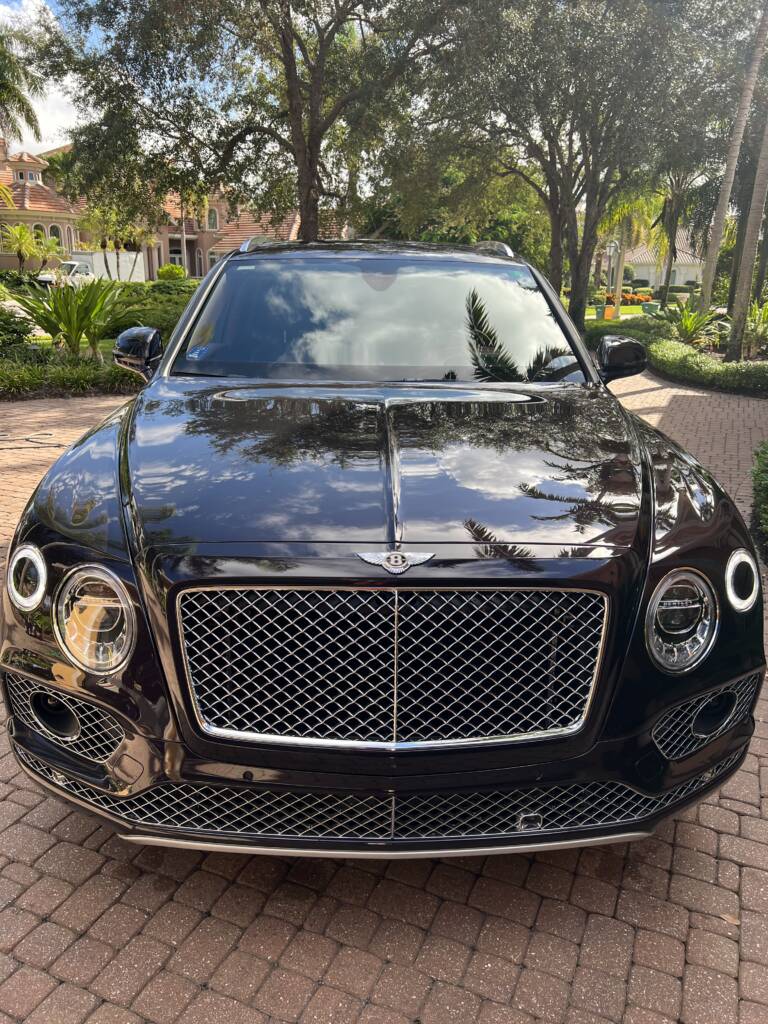
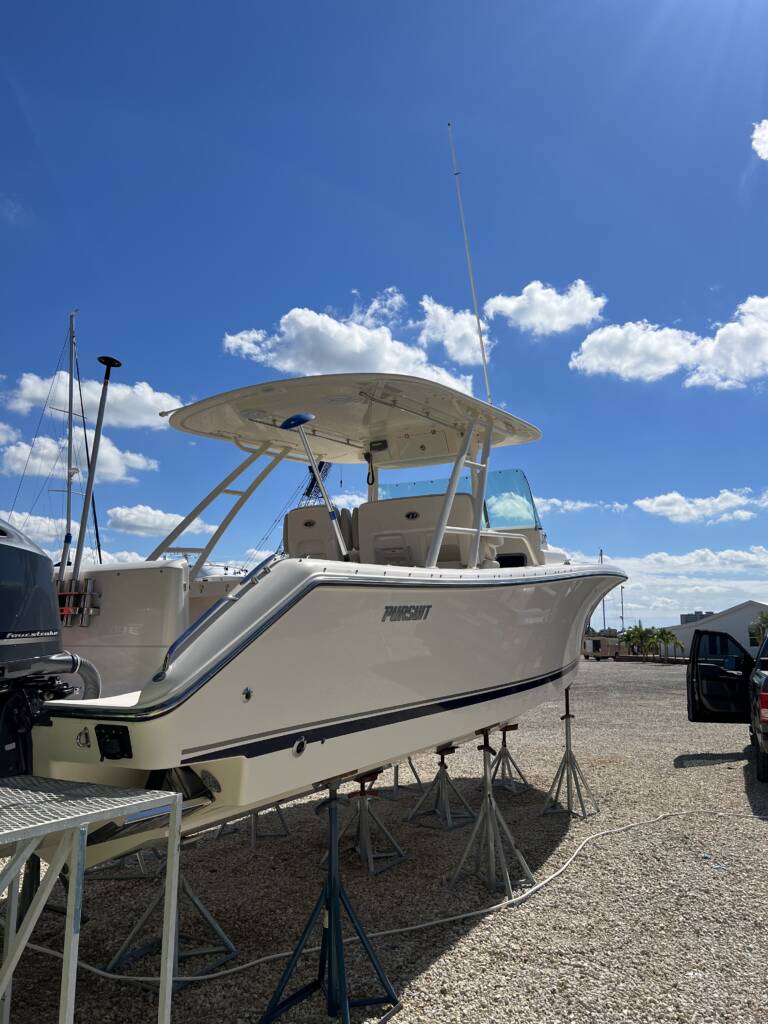
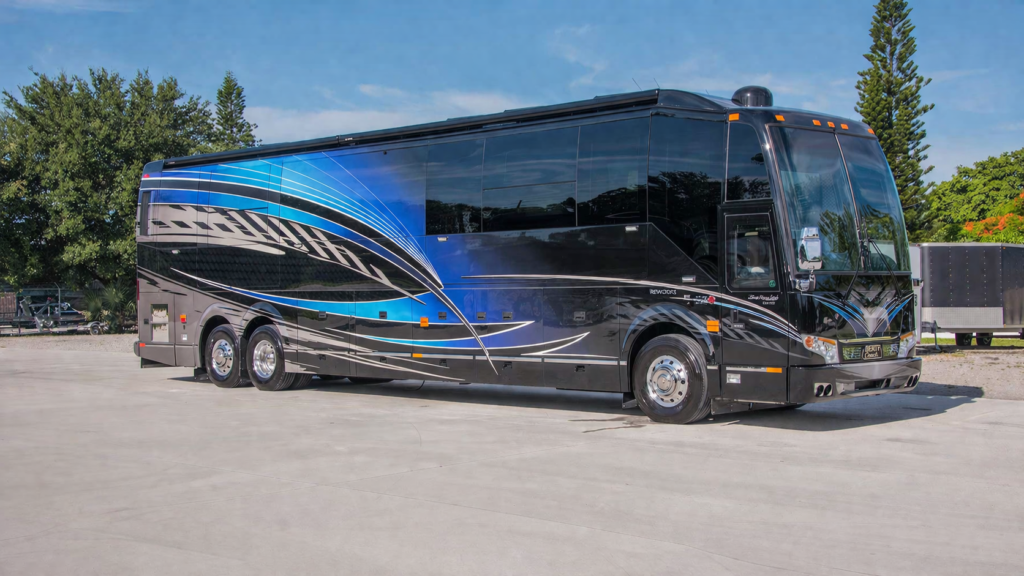
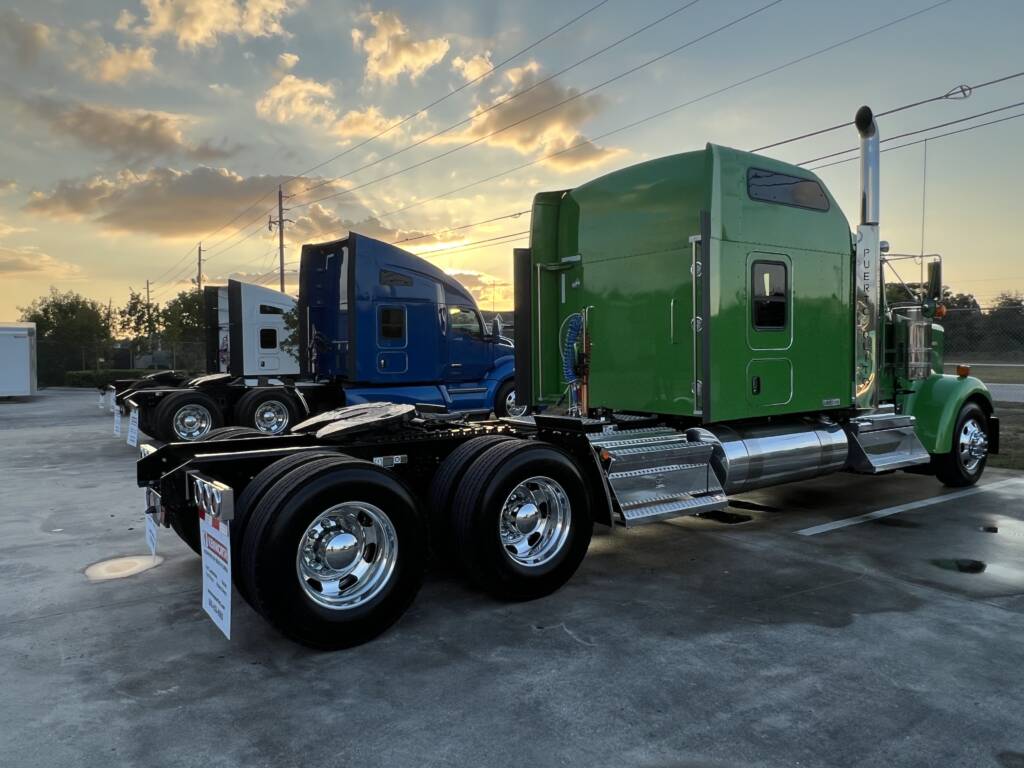
We service automotive, marine, recreational vehicles, commercial trucks, fleet vehicles, and light industrial equipment.
Services are tailored based on surface type, condition, and operational requirements across each category.
How often should I have my vehicle or vessel serviced?
Service frequency depends on usage, exposure, and environmental conditions.
In Gulf Coast environments—where UV, salt, humidity, and mineral-rich water are factors—routine maintenance is recommended to prevent buildup, preserve surface condition, and maintain long-term performance.
What products do you use and are they safe for all surfaces?
We utilize professional-grade, boutique product systems selected based on surface composition, condition, and environmental exposure.
Each product is chosen for its compatibility with specific materials, including paint, gelcoat, plastics, glass, metals, and interior surfaces such as leather and textiles.
Many of the products and coating systems we utilize are not available on the open market and are designed exclusively for professional use, ensuring higher performance, consistency, and material compatibility.
Our approach prioritizes controlled chemistry and surface-safe processes, allowing for effective cleaning, refinement, and protection without compromising material integrity.
All products and processes are integrated into a structured system, delivering consistent, repeatable results across all service categories.
Will detailing remove scratches or surface defects?
Basic detailing will not remove deeper defects. Surface correction processes such as machine polishing or multi-stage refinement are required to address scratches, oxidation, and surface imperfections.
The level of correction achieved depends on surface condition, material limitations, and the service selected.
Why is proper wash technique important?
Improper wash methods can introduce surface defects, scratching, and premature wear.
Our controlled contact wash methods and deionized water systems are designed to safely remove contaminants while preserving surface integrity and minimizing the risk of damage.
What is a deionized spot-free water system and why does it matter?
A deionized water system removes dissolved minerals and impurities from the water used during the wash and rinse process.
- Prevents water spotting and mineral deposits, allowing surfaces to dry clean without residue—even under direct sunlight where heat can bake contaminants into the surface
- Improves rinse efficiency by reducing surface tension, allowing contaminants to be removed more effectively
- Enhances pre-wash performance by allowing foam-based cleaning solutions to activate properly and break down contaminants before contact washing
This results in a cleaner surface, reduced risk of staining, and a more controlled, professional wash process—especially important in Florida’s mineral-rich and high UV environments.
CERAMIC COATINGS
What is a ceramic coating?
A ceramic coating is an advanced protection system that chemically bonds to the surface, creating a durable, semi-permanent protective layer.
It enhances durability, resistance, and long-term surface performance.
What is the difference between wax and a ceramic coating?
Wax provides a temporary layer of protection that sits on the surface and typically lasts a few weeks to a few months depending on conditions.
Ceramic coatings are advanced protective systems that chemically bond to the surface, forming a durable, semi-permanent layer.
Compared to wax, ceramic coatings offer significantly greater durability, resistance to environmental exposure, and long-term performance.
They provide enhanced protection against UV damage, oxidation, and contamination, while maintaining hydrophobic behavior and surface clarity over an extended period.
How long do ceramic coatings last?
Longevity depends on the coating system, surface preparation, and ongoing maintenance.
Professional-grade coatings can provide multiple years of protection when properly maintained and supported by a structured maintenance program.
What benefits do ceramic coatings provide?
- Resist UV damage, oxidation, and environmental degradation
- Repel water and contaminants through hydrophobic properties
- Reduce buildup of dirt, salt, and road film
- Enhance gloss, clarity, and surface depth
- Reduce contaminant accumulation and improve long-term surface maintainability
Do ceramic coatings prevent scratches?
No coating makes a surface scratch-proof.
However, coatings can provide resistance to light surface marring and help reduce the likelihood of damage during washing and environmental exposure.
Why is preparation important before coating installation?
Surface preparation is critical, as any contamination or defects present will be locked beneath the coating.
Proper preparation ensures optimal bonding, uniform performance, and maximum durability.
Does a ceramic coating eliminate the need for washing?
No. While coatings improve cleanability, they do not eliminate the need for proper maintenance.
Routine washing is required to preserve performance and prevent buildup.
Do ceramic coatings replace maintenance?
No. While ceramic coatings make surfaces easier to clean and maintain, they do not eliminate the need for proper washing.
Routine maintenance is required to preserve coating performance, prevent buildup, and maintain long-term surface integrity.
Coated surfaces require a specialized maintenance process, utilizing controlled wash methods and coating-safe solutions designed to clean without degrading the coating or interfering with its performance.
These processes are engineered to safely remove contaminants while preserving hydrophobic properties, surface clarity, and overall coating functionality.
This is why structured maintenance programs are recommended to ensure consistent performance and longevity.
Can coatings be applied to multiple surfaces?
Yes. Coatings can be installed across a range of surfaces including paint, gelcoat, glass, trim, plastics, wheels, and metal components, using surface-specific formulations and preparation methods.
ADDITIONAL INFO
Do you service all vehicles or vessels regardless of condition?
All services are condition-dependent. Heavily neglected or improperly maintained surfaces may require advanced correction or may not be suitable for certain services.
This ensures realistic expectations and proper results.
Will my vehicle or vessel look brand new after service?
Our processes are designed to significantly improve appearance, cleanliness, and surface condition.
However, results depend on starting condition, material limitations, and the level of service selected. We focus on achieving the highest possible result while maintaining surface integrity.
What happens if I don’t maintain my vehicle after service?
Without proper maintenance, surfaces will gradually accumulate contaminants and degrade over time, especially in Gulf Coast conditions.
Routine maintenance helps preserve results, maintain protection systems, and prevent the need for more intensive correction in the future.
What environmental factors affect my vehicle or vessel in Florida?
Environmental and man-made exposure factors both contribute to surface degradation, contamination, and long-term wear.
UV exposure, salt air, humidity, and mineral-rich water accelerate oxidation, fading, and mineral buildup on exterior surfaces.
In addition, real-world contaminants such as road film, salt deposits, hard water spotting, airborne pollutants, organic debris, and man-made contaminants—including road paint overspray, construction debris, and residue from surrounding vehicles—can accumulate and bond to surfaces, leading to staining, etching, and premature wear.
Our services are specifically engineered to address these conditions, protecting surfaces while preserving long-term appearance, performance, and material integrity.